ByJohn A
Understanding Body Contouring After Weight Loss: Medical and Surgical Approaches
Significant weight loss, whether achieved through lifestyle changes, bariatric surgery, or emerging pharmaceutical interventions, often leaves patients facing an unexpected challenge: excess skin and altered body contours that diet and exercise cannot address. This reality affects thousands of people who have successfully shed substantial weight, creating both physical discomfort and psychological barriers to fully enjoying their health transformation.
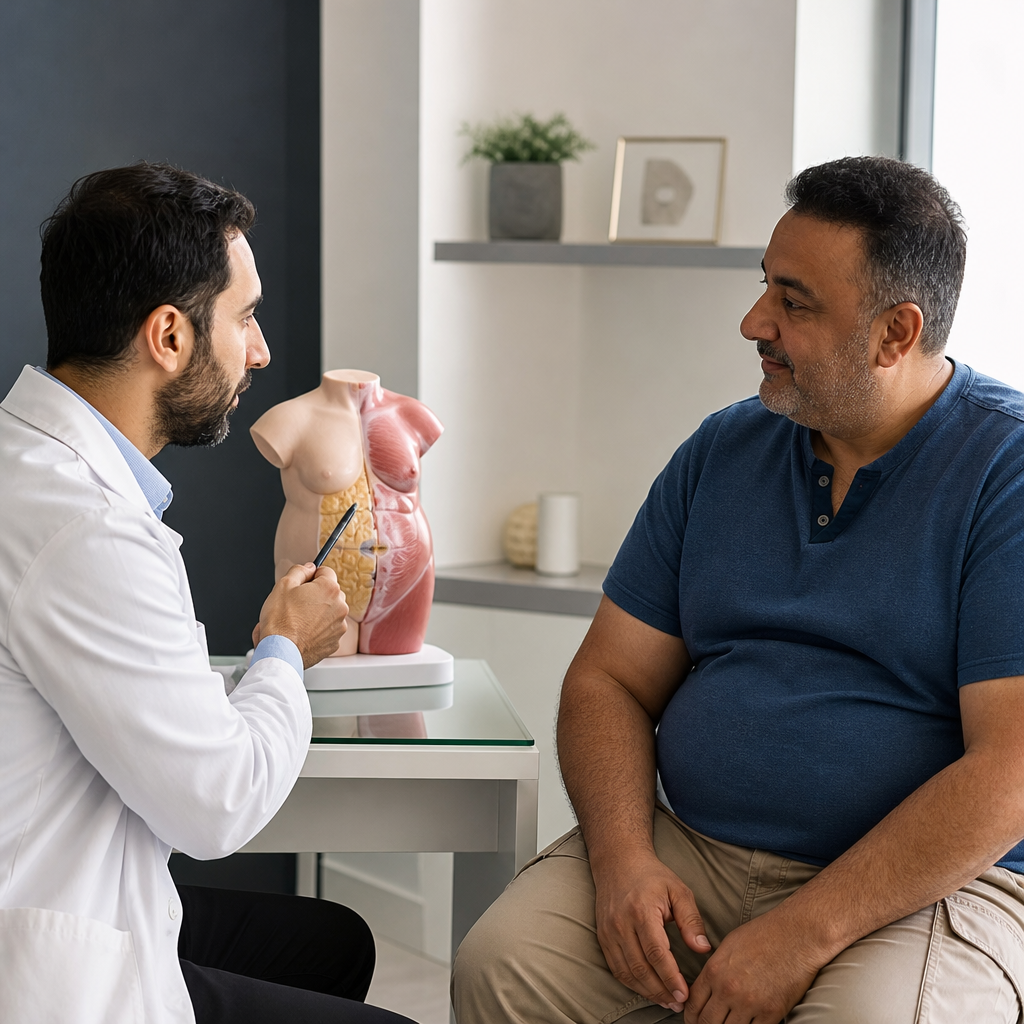
The intersection of medical weight management and reconstructive surgery has become increasingly relevant as more patients access effective weight loss treatments. Understanding when body contouring becomes medically appropriate, what procedures address specific concerns, and how to navigate the healthcare system for these services can help patients make informed decisions about their post-weight-loss journey.
The Physical Impact of Excess Skin After Major Weight Loss
When someone loses 50 kilograms or more, the skin that once stretched to accommodate a larger body mass does not always retract fully. Factors including age, genetics, how quickly weight was lost, and skin elasticity all influence the degree of excess skin. Unlike the temporary loose skin that may tighten over months following moderate weight loss, severe cases present persistent challenges.
Excess skin commonly accumulates around the abdomen, thighs, upper arms, breasts, and lower body. Beyond aesthetic concerns, these areas can cause genuine medical problems: skin rashes and infections in fold areas, difficulty finding properly fitting clothes, interference with physical activity, and chronic back or neck pain from the weight of hanging tissue. Some patients report that excess skin undermines their ability to maintain their weight loss, as exercise becomes uncomfortable or socially awkward.
The psychological dimension matters equally. Many patients describe feeling trapped between two bodies, having worked tremendously hard to lose weight but unable to see or feel the results they expected. This disconnect can affect mental health, relationships, and overall quality of life, making the consideration of body contouring procedures a legitimate extension of comprehensive weight management care.
Medical Weight Loss Pathways and Their Outcomes
The rise of GLP-1 receptor agonists and other pharmaceutical weight loss treatments has created a new population of patients experiencing rapid, significant weight reduction. Unlike the gradual losses typical of diet and exercise alone, medically managed weight loss can produce drops of 15 to 25 percent of body weight within a year. While this speed offers tremendous metabolic and cardiovascular benefits, it also increases the likelihood of excess skin formation because the integumentary system has less time to adapt.
Healthcare providers now recognize that comprehensive weight loss programs should include early discussions about potential body contouring needs. Patients benefit from understanding that medication protocols and fulfillment standards are just one component of treatment, and that the physical aftermath of success may require additional medical intervention months or years down the line.
The timing of body contouring procedures matters considerably. Most surgeons recommend waiting 12 to 18 months after reaching goal weight to ensure weight has stabilized. Proceeding too early risks poor results if further weight loss occurs, while waiting allows the body to reach its natural equilibrium and reduces surgical complications.
Common Body Contouring Procedures and What They Address
Body contouring after massive weight loss typically involves multiple procedures, often staged over several operations to manage surgical stress and recovery time. The most common procedures include abdominoplasty, which removes excess abdominal skin and tightens underlying muscles;brachioplasty for upper arm contouring; thigh lift procedures; and breast lift or reduction surgeries. Many patients require a combination approach to address their specific concerns.
Each procedure carries distinct considerations. Abdominoplasty, for instance, requires a substantial recovery period of six to eight weeks before returning to normal activity, and leaves a permanent scar across the lower abdomen. Arm lifts similarly create visible scarring along the inner arm. Patients must weigh the functional and aesthetic benefits against these permanent marks and the financial investment involved.
Not every patient requires or desires surgical intervention. Some find that targeted strength training, skin care regimens, and compression garments provide sufficient improvement. Others pursue non-surgical skin tightening treatments, though these show limited effectiveness for moderate to severe skin laxity. The decision ultimately depends on the degree of excess skin, its impact on daily life, and individual goals and values.
Finding Qualified Surgical Care in the UAE
Patients in Abu Dhabi and the broader UAE region have access to internationally accredited facilities offering specialized body contouring services. When considering these procedures, selecting a surgeon with specific training and experience in post-bariatric body contouring matters significantly, as these cases differ from standard cosmetic procedures in their complexity and medical considerations.
Multi-specialty hospitals typically offer the advantage of coordinated care, particularly important for patients who may have ongoing medical needs related to their weight loss journey. Cleveland Clinic Abu Dhabi provides comprehensive plastic and reconstructive surgery services within a facility equipped to manage the full spectrum of patient health needs. For those researching options, searching for a plastic surgeon near me should focus on credentials, before-and-after portfolios of similar cases, and the surgeon’s approach to patient safety and realistic outcome discussions.
Initial consultations should cover surgical plan details, expected scarring, recovery timelines, potential complications, and realistic outcomes. Reputable surgeons will also discuss whether you are medically optimized for surgery, including stable weight, controlled chronic conditions, and cessation of smoking. Some may require clearance from your primary care physician or weight loss program physician before proceeding.
Insurance, Cost Considerations, and Healthcare Navigation
Body contouring after weight loss occupies complicated territory in healthcare coverage. While often categorized as cosmetic and therefore not covered by insurance, some procedures may qualify as medically necessary when excess skin causes documented health problems like chronic infections, ulcerations, or significant functional impairment. Documentation from primary care providers about these medical issues can support insurance claims.
Even when procedures are not covered, understanding the healthcare landscape helps patients make informed financial decisions. Public healthcare networks in the UAE operate alongside private facilities, each with different coverage models and pricing structures. Some patients choose to stage procedures over multiple years to manage costs, prioritizing areas causing the most significant physical problems first.
Payment plans, medical tourism packages, and financing options exist, but patients should approach these carefully, ensuring they understand total costs including potential revision surgeries, post-operative garments, and time off work. Cheaper options abroad may seem attractive but can complicate follow-up care and management of complications.
Preparing for Surgery and Recovery Realities
Successful body contouring requires significant patient preparation and commitment. Pre-operative optimization includes achieving stable weight, optimizing nutrition (particularly protein intake for wound healing), correcting any vitamin deficiencies common after bariatric surgery, and building social support systems for the recovery period.
Recovery from major body contouring is substantial. Patients should expect limited mobility for the first weeks, need for assistance with daily activities, and several months before final results become apparent. Drainage tubes, compression garments, activity restrictions, and wound care requirements are standard. Complications, while uncommon with experienced surgeons, can include infection, seroma formation, wound healing problems, and unfavorable scarring.
Long-term maintenance matters as well. Significant weight fluctuation after body contouring can compromise results, making continued commitment to healthy lifestyle habits essential. Scars will fade over 12 to 18 months but remain permanent. Most patients report high satisfaction despite these considerations, feeling that the functional improvements and restored body confidence justify the investment and recovery.
Integrating Body Contouring Into Comprehensive Care
The most successful outcomes occur when body contouring is viewed as one component of ongoing health management rather than an isolated cosmetic event. Continuing relationships with primary care providers, nutritionists, mental health professionals, and weight management specialists ensures that patients maintain their health gains while addressing the physical aftermath of their weight loss journey.
For many patients, body contouring represents the final chapter in a long story of health transformation. Understanding the options, timing, risks, and realities allows informed decision-making that aligns with individual circumstances and goals. Whether someone ultimately pursues surgical intervention or finds other ways to adapt, acknowledging the legitimacy of excess skin concerns and exploring available solutions represents an important aspect of comprehensive post-weight-loss care.